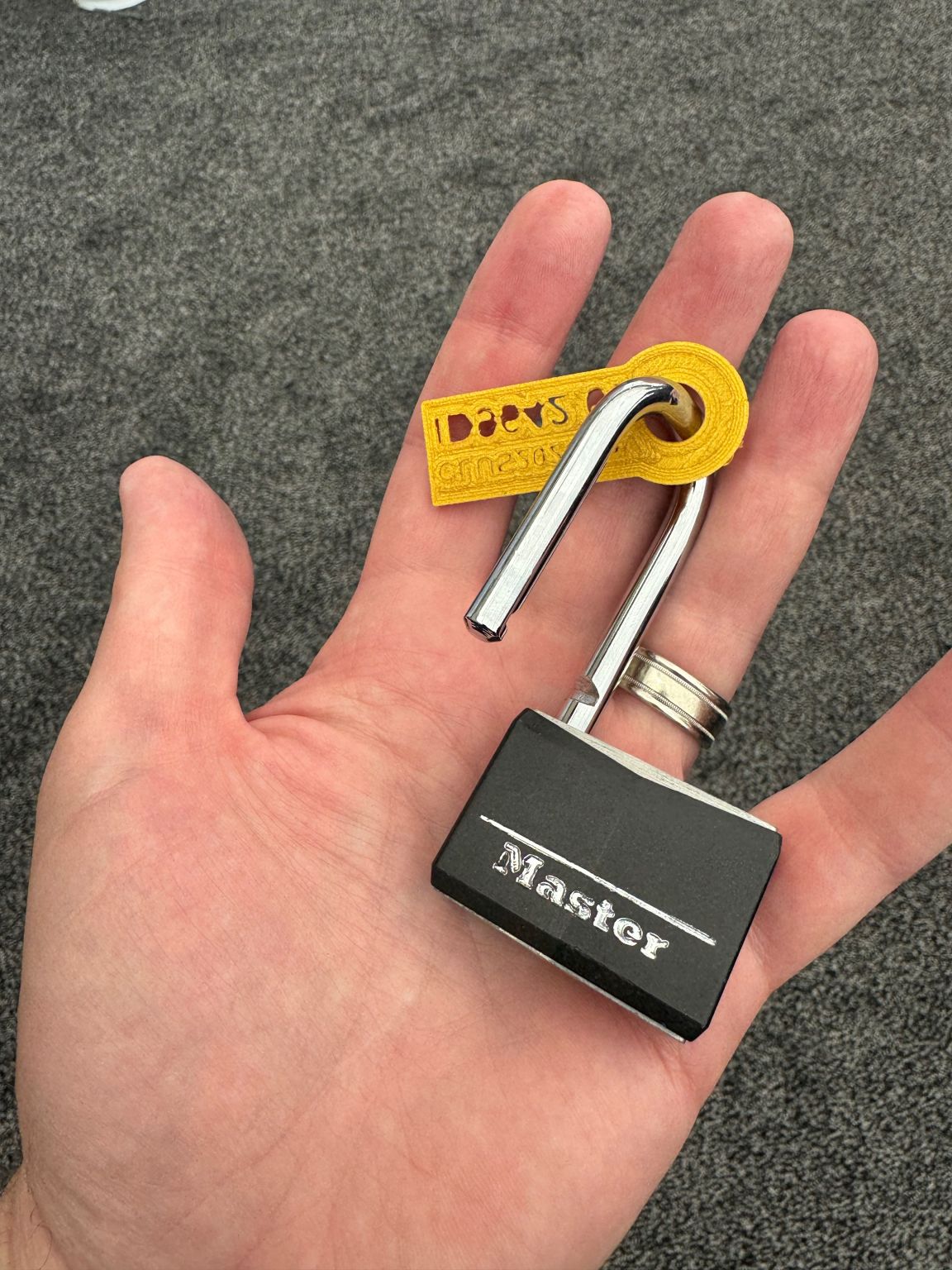
While at Cisco Live, I happened upon a lockpicking station 🔐. Yes, that’s right, a lockpicking station where we learned how to pick various types of locks. It was fascinating to see how a small flaw in the lock’s design, or even just a little too much trust in its complexity, could make it vulnerable. But as I worked to pick those locks, I couldn’t help but draw parallels to cybersecurity and the broader challenges we face in protecting both physical and digital assets.
Here’s what I took away:
1️⃣ Security Layers Are Essential:
Just like a good lock should be part of a broader physical security system (e.g., cameras, motion sensors, and access controls), cybersecurity relies on layered defenses. Firewalls, encryption, endpoint protection, and user education all work together to keep systems secure. No single measure is enough.
2️⃣ Attackers Think Outside the Box:
In lockpicking, you’re trained to identify weaknesses and exploit them creatively. Cyber attackers do the same - they look for vulnerabilities in code, processes, or even human behavior (think phishing). It’s a reminder that we need to anticipate unconventional threats and stay one step ahead.
3️⃣ Trust, But Verify:
Just as a locked door gives a false sense of security if the lock is poorly designed, a cybersecurity system isn’t truly secure unless it is regularly tested. Penetration testing, red teaming, and vulnerability assessments are the “lockpicking” of the digital world - they help us find and fix flaws before someone else does.
4️⃣ Human Factors Matter:
In both physical and digital security, humans are often the weakest link. Whether it is leaving a key under the mat or clicking on a suspicious email, awareness and training are key to reducing risk.
This experience reaffirmed for me that security (whether physical or digital) isn’t a one-time effort. It’s an ongoing process of identifying risks, addressing vulnerabilities, and staying vigilant.
Originally posted on LinkedIn: view the original post.